January 2026

Rs 4 crore hawala cash seized on Sagar–Bhopal highway; two arrested

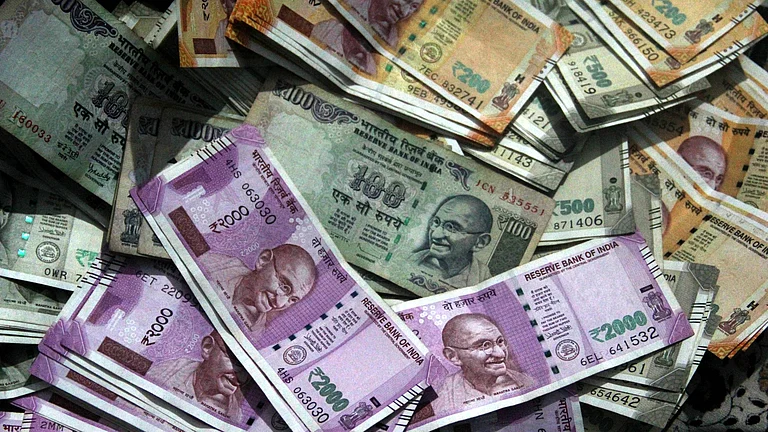
In a significant operation against illegal cash movement, police in Madhya Pradesh’s Sagar district seized Rs 4 crore in unaccounted money believed to be linked to a hawala network operating between the state and Maharashtra. Acting on specific intelligence inputs, a special team from the Moti Nagar police station set up a checkpoint near the Rahatgarh bypass late on Tuesday night. When officers attempted to stop a suspected vehicle around 11 p.m., the occupants tried to flee but were intercepted after a brief chase. During inspection, officials found bundles of Rs 500 and Rs 2,000 notes concealed beneath the rear seats and in hidden compartments. Initial inquiries suggest the cash was being transported from Madhya Pradesh to Maharashtra through underground hawala channels, according to police sources. The two men in the vehicle, a driver from Nagpur and a passenger from Indore, were detained after they failed to produce any documents to justify the cash, in violation of Income Tax and RBI rules on large cash movement. “The seized amount is clearly the proceeds of hawala transactions. Both the accused and the cash have been handed over to the Income Tax Department for further action,” a senior official said. Income Tax teams from Sagar and Jabalpur have begun tracing the money trail, with investigators examining whether the funds might be linked to a wider network. Sources said the counting of the notes was completed under videography at the Moti Nagar police station before the Income Tax Department was informed. Investigators are analysing mobile phones recovered from the arrested duo to identify potential links to larger operators. Police have not ruled out the possibility of the money being tied to other illegal activities, although no such connection has been established so far. More raids are expected based on emerging leads. This marks the second major hawala cash seizure in Madhya Pradesh in recent weeks, reflecting intensified surveillance by state police and central agencies during the election period. The accused have been booked under relevant provisions of the Income Tax Act and the IPC as the probe continues.

Rs 4 crore hawala cash seized on Sagar–Bhopal highway; two arrested Read More »
Sagar assault case: A viral video shows a woman and a young man running without clothes, and the accused has taken his own life.

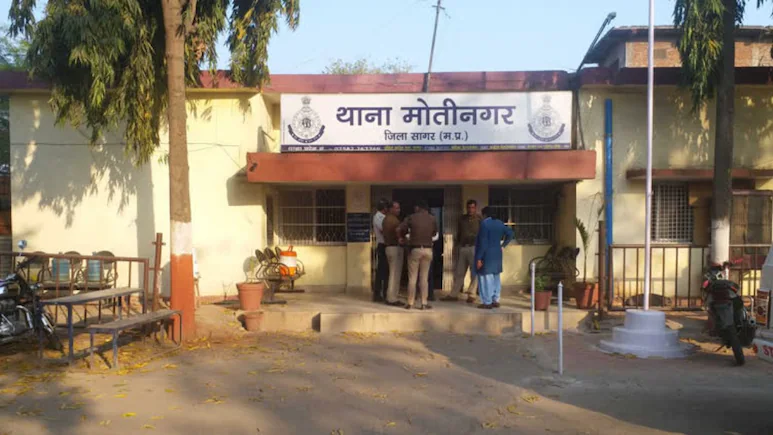
A new twist has come up in the case of a 46-year-old woman’s assault in the Motinagar area of Sagar, Madhya Pradesh.On Thursday night, two videos related to the incident surfaced and are now making the rounds on social media.The videos show a woman running without clothes and a young man in a semi-naked state running in different directions.These clips are being linked to the assault case, though NDTV hasn’t verified them yet.With these videos out, the Sagar police have started a detailed investigation into the matter. The complaint was filed on January 12. On January 12, 2026, the victim filed a complaint at the Motinagar police station. The woman alleged that the accused barged into her house late at night and raped her. Police have started investigation into the incident after registering a case on the basis of the complaint. The accused was found hanging from a tree. Meanwhile, the police received information that the body of the accused was found hanging from a tree near a field in a village under Bandri police station area. Police have registered a case in this regard at the Bandhugaon police station. On Friday, the family members of the accused staged a protest by placing the body on the Motinagar square. The family of the deceased has alleged that a false case of rape was lodged against him, due to which he committed suicide due to mental trauma. What’s in the viral video? A mobile phone and a CCTV footage have been recovered from the spot. In the CCTV footage, a woman is seen running out of a house in the nude, while a youth running behind her in a semi-naked state with shoes in his hand is seen running in the other direction. In the second video, the woman is seen walking naked on the road. It is being told that this video has been recorded by a bike rider. Statement by police: According to ASP Lokesh Kumar Sinha, a case of rape was registered on the complaint of the woman and a search was on for the accused. Meanwhile, the accused allegedly committed suicide. Police said that during initial investigation, they found that the woman was raped. The veracity of the viral video and its link to the incident is also being investigated. Police said the matter is being investigated and everything will be clear after the probe is over.

Sagar assault case: A viral video shows a woman and a young man running without clothes, and the accused has taken his own life. Read More »

Centre’s approval of 50 new road infrastructure projects (~₹2,000+ crore) in Madhya Pradesh

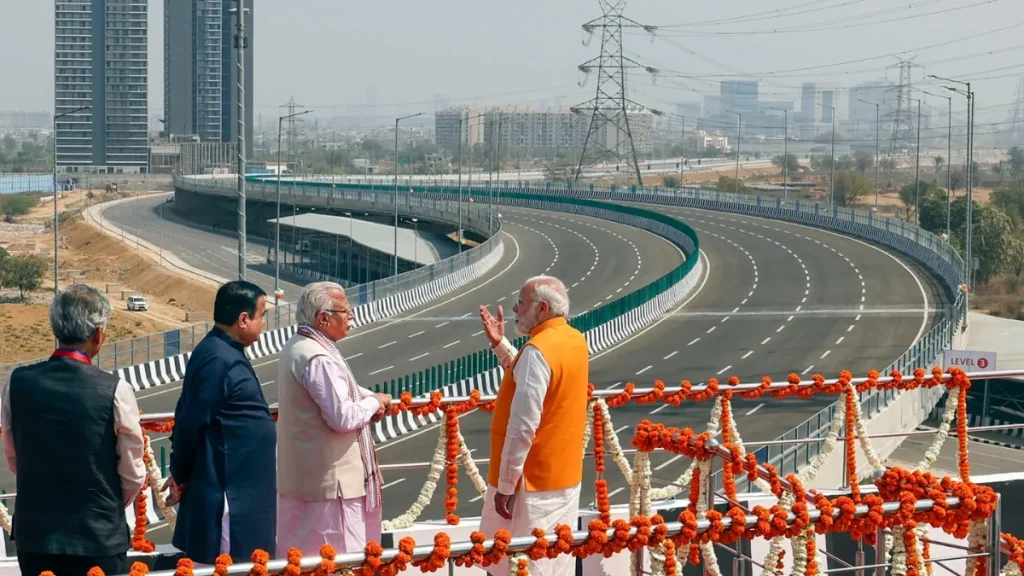
In January 2026, Union Road Transport and Highways Minister Nitin Gadkari announced a significant expansion of road infrastructure in Madhya Pradesh, approving approximately ₹4,500 crore worth of road works for 50 different corridors and links across the state. These projects are part of a broader push by the Central Government to boost connectivity, reduce travel times, and strengthen economic infrastructure under the One-Time Improvement Plan — a special scheme to upgrade roads in priority regions. The Centre has also indicated that this ₹4,500 crore allotment could be increased further based on additional needs and assessments from the state government. 📌 Overall Scope and Funding The ₹4,500 crore earmarked for these 50 projects is intended to complement larger flagship initiatives — including the ₹16,000 crore Kota–Vidisha–Sagar Greenfield Expressway and other major corridors approved for Madhya Pradesh as part of an ambitious road expansion policy that totals over ₹1 lakh crore in approvals in recent announcements. Although official listings of all 50 individual project names and route details have not been published in full by central or state authorities, the announcement reflects a multi-layered strategy to upgrade both pass-through highways and feeder roads linking smaller towns, agricultural hubs, industrial areas, and major cities such as Bhopal, Gwalior, Sagar, Vidisha, Rahatgarh, and Biaora. 🛣️ Focus Areas of the 50 Projects The 50 road projects are broadly expected to include: These projects are tailored to complement national corridors such as the Delhi–Mumbai Expressway, Bhopal–Kanpur Economic Corridor, and other greenfield highways already under progress in the state. 🚀 Economic and Social Impacts 🧭 Integration with National Road Development These approvals are aligned with the Government of India’s long-term goals under the Bharatmala Pariyojana, a nationwide highway and expressway program to improve freight movement and regional integration across states.

Centre’s approval of 50 new road infrastructure projects (~₹2,000+ crore) in Madhya Pradesh Read More »

Kota–Vidisha–Sagar Greenfield Expressway

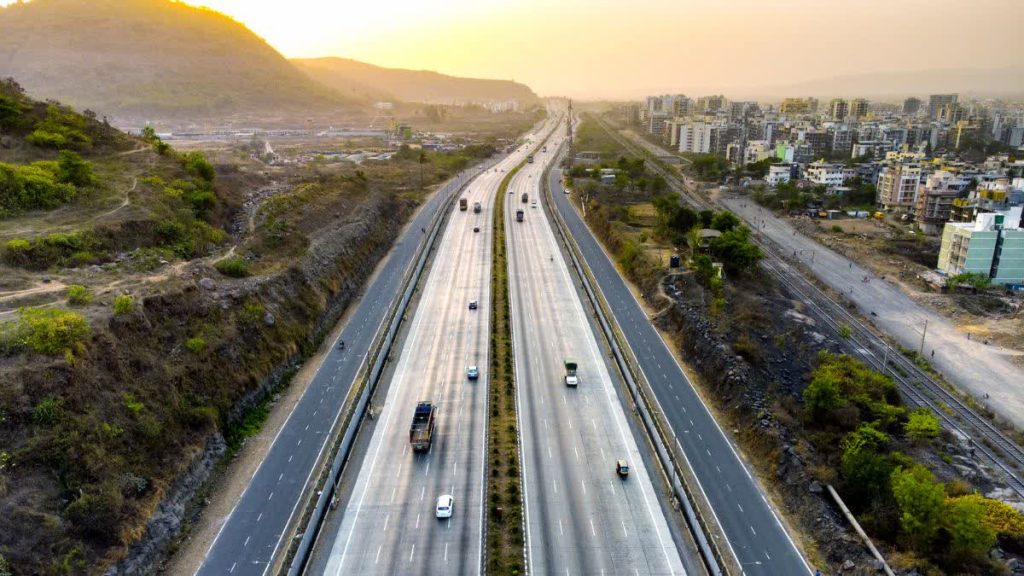
Union Minister Nitin Gadkari has announced the Kota-Vidisha-Sagar Greenfield Expressway linking Madhya Pradesh and Rajasthan.This ambitious project will cost around 16 thousand crore rupees.Additionally, he has greenlit new projects worth 1 lakh crore rupees for Madhya Pradesh. Union Road Transport and Highways Minister Nitin Gadkari has announced the construction of the Kota–Vidisha–Sagar Greenfield Expressway, a major interstate infrastructure project aimed at strengthening road connectivity between Rajasthan and Madhya Pradesh. The proposed expressway is estimated to cost around ₹16,000 crore and is expected to significantly reduce travel distance and time between the key cities of Kota, Vidisha, and Sagar. One of the major highlights of the project is that it will reduce the Kota–Sagar travel distance by nearly 75 kilometres, making journeys faster, safer, and more fuel-efficient. As a greenfield expressway, it will be built on a new alignment with modern design standards, controlled access, and high-speed travel facilities. The road will also integrate with existing and upcoming national corridors, including links to the Delhi–Mumbai Expressway, enhancing long-distance connectivity. The expressway is expected to play a crucial role in boosting trade, logistics, tourism, and industrial development in both states. It will improve access to markets for farmers, support regional businesses, and generate employment during and after construction. Overall, the Kota–Vidisha–Sagar Greenfield Expressway is seen as a strategic project that will accelerate economic growth and improve interstate mobility in central India.

Kota–Vidisha–Sagar Greenfield Expressway Read More »

Makar Sankranti (Kite Festival)

Makar Sankranti is a major harvest festival celebrated across India, marking the auspicious transition of the Sun into the zodiac sign Makara (Capricorn). Unlike many Hindu festivals based on the lunar calendar, Makar Sankranti follows the solar cycle and symbolizes new beginnings, prosperity, and the end of winter. It is observed with great enthusiasm in different forms across the country, reflecting India’s rich cultural diversity. One of the most vibrant aspects of Makar Sankranti is the Kite Festival, especially popular in states like Gujarat, Rajasthan, Maharashtra, and Telangana. On this day, the sky comes alive with colorful kites of various shapes and sizes, creating a breathtaking spectacle. Flying kites represents freedom, joy, and the spirit of celebration, while friendly competitions add excitement and community bonding. The festival is also associated with gratitude towards nature and farmers for a bountiful harvest. Traditional delicacies made from til (sesame) and jaggery, such as tilgul, chikki, and laddoos, are prepared and shared, symbolizing warmth, unity, and sweetness in relationships. People exchange greetings and blessings, spreading goodwill and harmony. Makar Sankranti holds spiritual significance as well. Taking a holy dip in rivers, offering prayers to the Sun God, and performing charitable acts are considered highly auspicious on this day. In different regions, it is known by various names—Uttarayan, Pongal, Magh Bihu, and Lohri—each with unique traditions and rituals. More than a festival, Makar Sankranti is a celebration of life, light, and positivity. The Kite Festival, in particular, reflects the joy of togetherness and the beauty of cultural heritage, reminding us to rise above negativity and welcome hope, happiness, and prosperity.

Makar Sankranti (Kite Festival) Read More »

Diwali

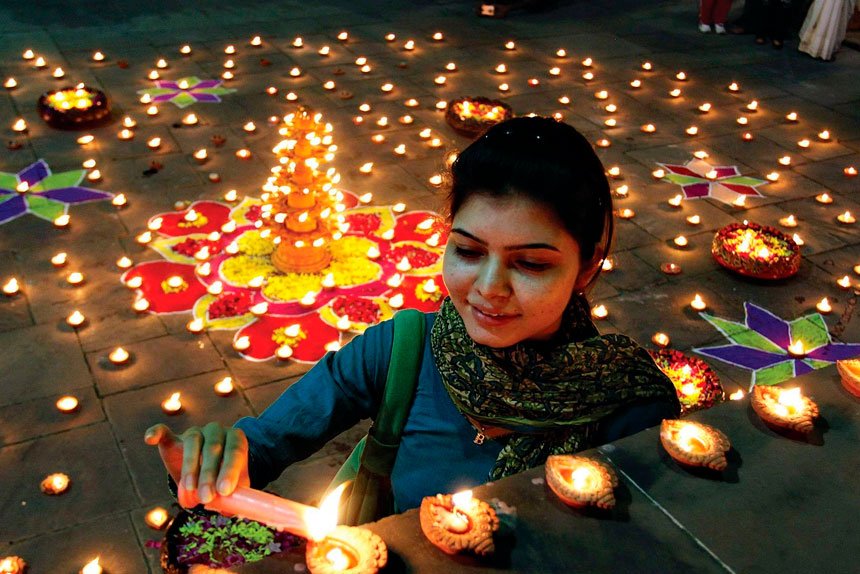
Diwali, also known as Deepavali, is one of the most cherished and widely celebrated festivals in India. The word Diwali means “a row of lamps,” symbolizing the triumph of light over darkness, good over evil, and knowledge over ignorance. Celebrated on the new moon day of the Hindu month of Kartik, Diwali marks the return of Lord Rama to Ayodhya after fourteen years of exile and his victory over Ravana. In other traditions, it honors Goddess Lakshmi, the goddess of wealth and prosperity, and Lord Krishna’s victory over Narakasura. The festival spans five days, beginning with Dhanteras, followed by Naraka Chaturdashi (Choti Diwali), Lakshmi Puja, Govardhan Puja, and Bhai Dooj. Homes are cleaned and decorated with rangoli, flowers, and earthen lamps to welcome positive energy and prosperity. Families come together to perform rituals, exchange sweets and gifts, and share festive meals. Diwali is also a celebration of joy and togetherness. Fireworks illuminate the night sky, while laughter and warmth fill homes and streets. In many regions, cultural programs, fairs, and community gatherings add to the festive spirit. At the same time, there is growing awareness about celebrating an eco-friendly Diwali, emphasizing the use of earthen diyas, minimal crackers, and care for the environment. Beyond rituals and celebrations, Diwali conveys a timeless message of hope, renewal, and inner awakening. It encourages people to dispel negativity, cultivate compassion, and walk the path of righteousness. Diwali is not merely a festival of lights but a reminder that even the smallest flame can overcome the deepest darkness.

Diwali Read More »

Navratri

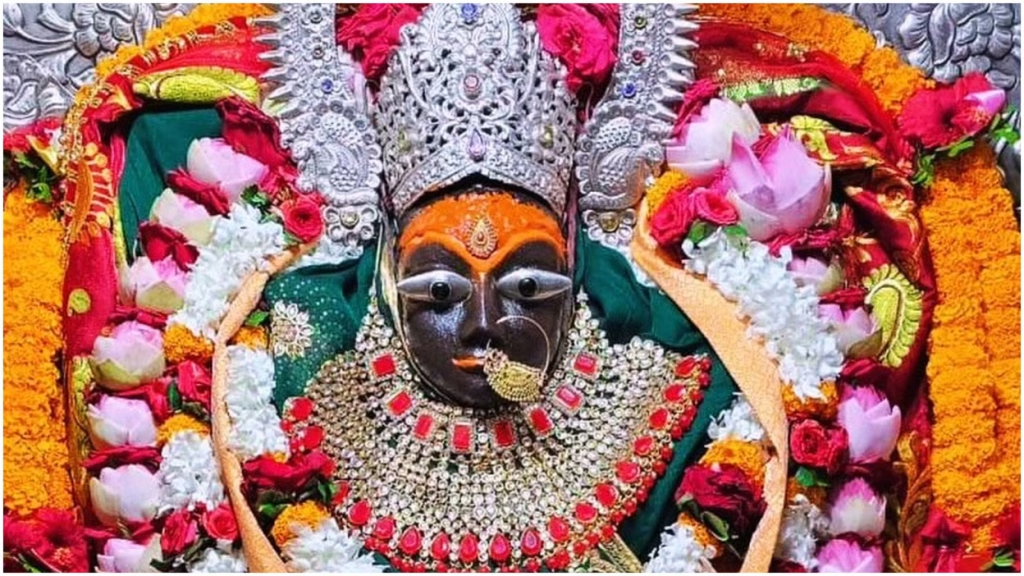
Navratri is one of the most auspicious and widely celebrated festivals in India, dedicated to the worship of Goddess Durga and her nine divine forms. The word Navratri means “nine nights,” during which devotees honor the victory of good over evil and divine power over negative forces. Celebrated twice a year—Chaitra Navratri in spring and Sharad Navratri in autumn—the festival holds deep spiritual, cultural, and social significance. Each day of Navratri is devoted to a different form of the Goddess, symbolizing virtues such as strength, wisdom, courage, compassion, and purity. Devotees observe fasting, offer prayers, and perform rituals to seek blessings for health, prosperity, and inner peace. Temples and homes are beautifully decorated, and the atmosphere resonates with devotional songs, bhajans, and mantras. Navratri is also known for its vibrant cultural celebrations. In many regions, people participate in Garba and Dandiya Raas, expressing joy and devotion through rhythmic dance and colorful attire. In eastern India, the festival culminates in Durga Puja, marked by grand pandals, artistic idols, and community gatherings. In southern states, the tradition of Golu displays showcases dolls and figurines symbolizing mythology and culture. Beyond rituals and festivities, Navratri carries a profound message of self-discipline, faith, and spiritual awakening. It encourages individuals to reflect, purify their thoughts, and embrace positivity. Navratri is not just a festival but a celebration of feminine divine energy—Shakti—that inspires balance, harmony, and righteousness in life.

Navratri Read More »

Lokrang Festival

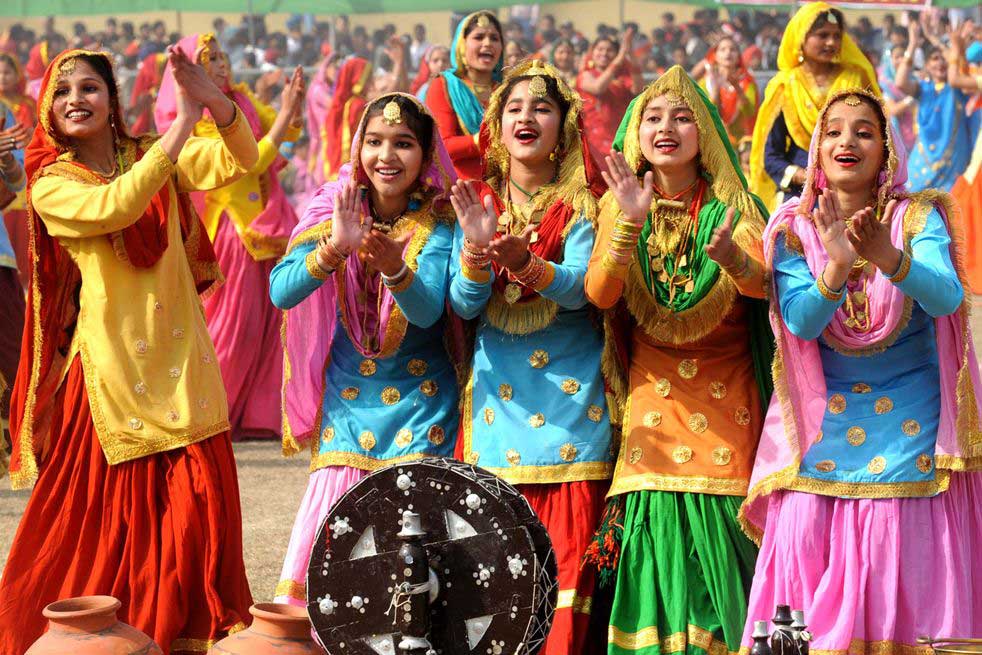
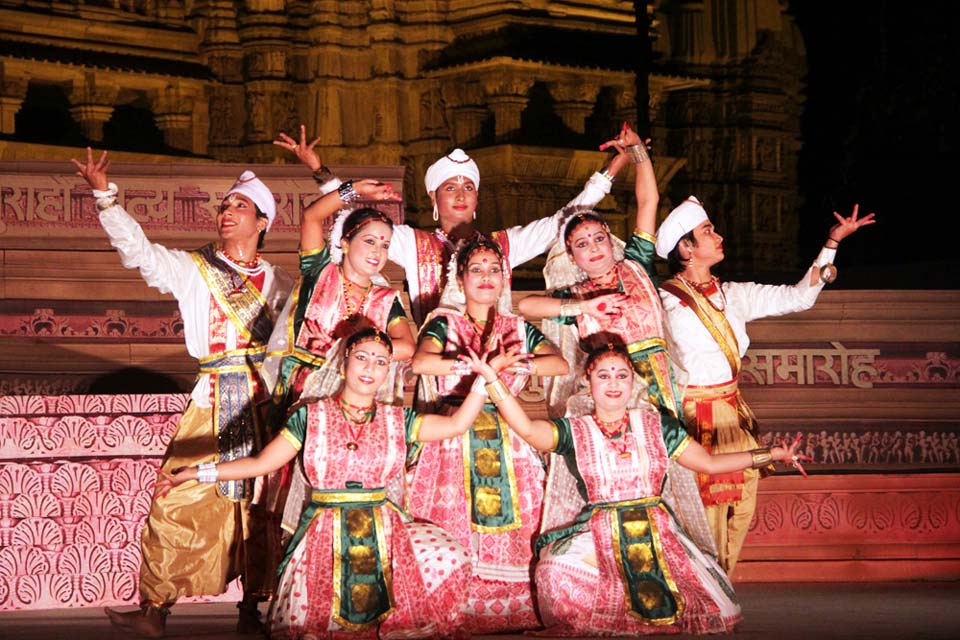
The Lokrang Festival is one of India’s most vibrant and culturally rich celebrations, showcasing the diverse folk traditions and artistic heritage of the nation. Organized annually in Bhopal, Madhya Pradesh, the festival brings together folk artists, performers, craftsmen, and cultural enthusiasts from different states of India and even from abroad. “Lokrang” literally means the colors of the people, and the festival truly lives up to its name by celebrating the spirit, creativity, and traditions of rural and tribal communities. Lokrang Festival serves as a grand platform for preserving and promoting folk music, dance, theatre, and indigenous art forms that have been passed down through generations. Traditional performances such as Gond, Bhil, Baiga, Kalbelia, Lavani, and Bihu mesmerize audiences with their rhythm, costumes, and storytelling. Alongside performances, the festival features exhibitions of handicrafts, paintings, tribal jewelry, textiles, and local cuisines, offering visitors a complete cultural experience. Beyond entertainment, Lokrang plays a crucial role in strengthening cultural identity and encouraging interaction between artists and audiences. It provides folk artists with recognition, livelihood opportunities, and a sense of pride in their heritage. Workshops, seminars, and interactive sessions during the festival help younger generations understand and appreciate India’s rich cultural roots. The Lokrang Festival is more than just a celebration; it is a cultural movement that bridges the gap between tradition and modernity. By honoring folk traditions in a contemporary setting, the festival keeps India’s living heritage alive and relevant. Lokrang stands as a beautiful reminder that the soul of India resides in its villages, its art, and its people.

Lokrang Festival Read More »