
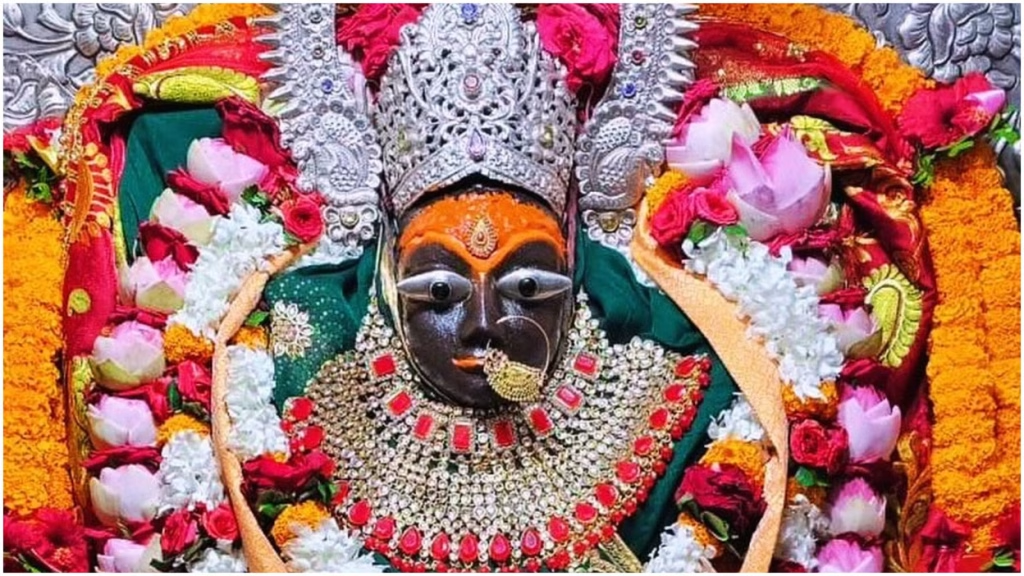
Navratri is one of the most auspicious and widely celebrated festivals in India, dedicated to the worship of Goddess Durga and her nine divine forms. The word Navratri means “nine nights,” during which devotees honor the victory of good over evil and divine power over negative forces. Celebrated twice a year—Chaitra Navratri in spring and Sharad Navratri in autumn—the festival holds deep spiritual, cultural, and social significance.
Each day of Navratri is devoted to a different form of the Goddess, symbolizing virtues such as strength, wisdom, courage, compassion, and purity. Devotees observe fasting, offer prayers, and perform rituals to seek blessings for health, prosperity, and inner peace. Temples and homes are beautifully decorated, and the atmosphere resonates with devotional songs, bhajans, and mantras.
Navratri is also known for its vibrant cultural celebrations. In many regions, people participate in Garba and Dandiya Raas, expressing joy and devotion through rhythmic dance and colorful attire. In eastern India, the festival culminates in Durga Puja, marked by grand pandals, artistic idols, and community gatherings. In southern states, the tradition of Golu displays showcases dolls and figurines symbolizing mythology and culture.
Beyond rituals and festivities, Navratri carries a profound message of self-discipline, faith, and spiritual awakening. It encourages individuals to reflect, purify their thoughts, and embrace positivity. Navratri is not just a festival but a celebration of feminine divine energy—Shakti—that inspires balance, harmony, and righteousness in life.
