
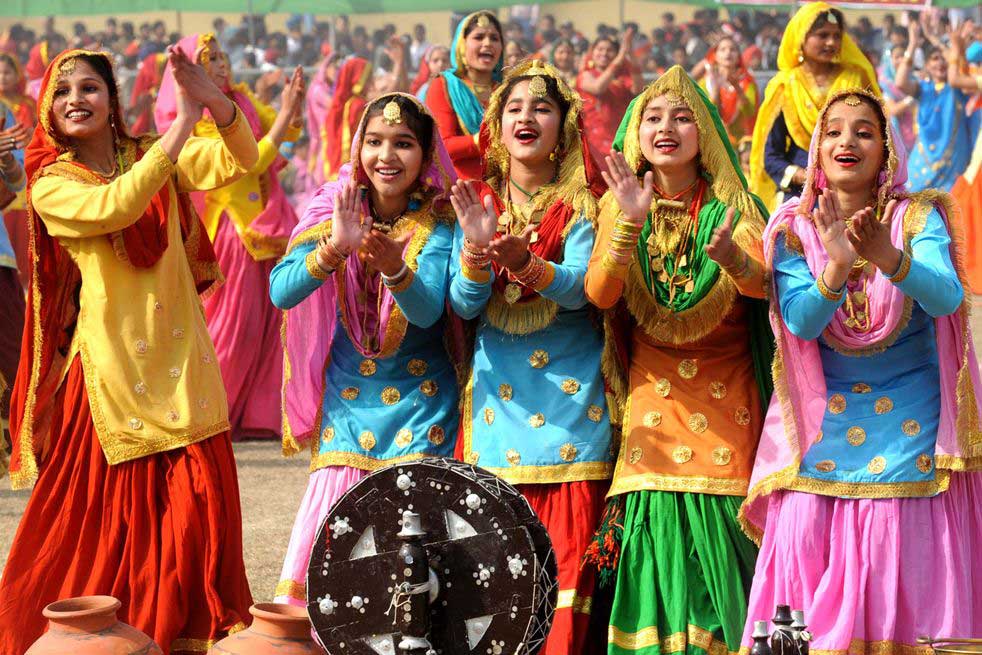
Makar Sankranti is a major harvest festival celebrated across India, marking the auspicious transition of the Sun into the zodiac sign Makara (Capricorn). Unlike many Hindu festivals based on the lunar calendar, Makar Sankranti follows the solar cycle and symbolizes new beginnings, prosperity, and the end of winter. It is observed with great enthusiasm in different forms across the country, reflecting India’s rich cultural diversity.
One of the most vibrant aspects of Makar Sankranti is the Kite Festival, especially popular in states like Gujarat, Rajasthan, Maharashtra, and Telangana. On this day, the sky comes alive with colorful kites of various shapes and sizes, creating a breathtaking spectacle. Flying kites represents freedom, joy, and the spirit of celebration, while friendly competitions add excitement and community bonding.
The festival is also associated with gratitude towards nature and farmers for a bountiful harvest. Traditional delicacies made from til (sesame) and jaggery, such as tilgul, chikki, and laddoos, are prepared and shared, symbolizing warmth, unity, and sweetness in relationships. People exchange greetings and blessings, spreading goodwill and harmony.
Makar Sankranti holds spiritual significance as well. Taking a holy dip in rivers, offering prayers to the Sun God, and performing charitable acts are considered highly auspicious on this day. In different regions, it is known by various names—Uttarayan, Pongal, Magh Bihu, and Lohri—each with unique traditions and rituals.
More than a festival, Makar Sankranti is a celebration of life, light, and positivity. The Kite Festival, in particular, reflects the joy of togetherness and the beauty of cultural heritage, reminding us to rise above negativity and welcome hope, happiness, and prosperity.
