Festivals

Makar Sankranti (Kite Festival)

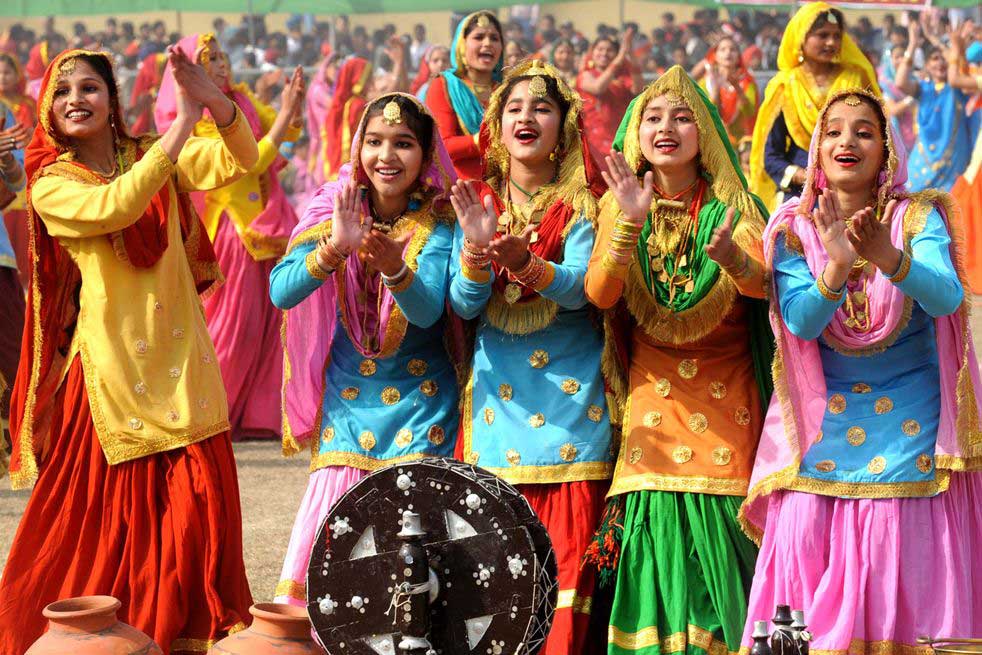
Makar Sankranti is a major harvest festival celebrated across India, marking the auspicious transition of the Sun into the zodiac sign Makara (Capricorn). Unlike many Hindu festivals based on the lunar calendar, Makar Sankranti follows the solar cycle and symbolizes new beginnings, prosperity, and the end of winter. It is observed with great enthusiasm in different forms across the country, reflecting India’s rich cultural diversity. One of the most vibrant aspects of Makar Sankranti is the Kite Festival, especially popular in states like Gujarat, Rajasthan, Maharashtra, and Telangana. On this day, the sky comes alive with colorful kites of various shapes and sizes, creating a breathtaking spectacle. Flying kites represents freedom, joy, and the spirit of celebration, while friendly competitions add excitement and community bonding. The festival is also associated with gratitude towards nature and farmers for a bountiful harvest. Traditional delicacies made from til (sesame) and jaggery, such as tilgul, chikki, and laddoos, are prepared and shared, symbolizing warmth, unity, and sweetness in relationships. People exchange greetings and blessings, spreading goodwill and harmony. Makar Sankranti holds spiritual significance as well. Taking a holy dip in rivers, offering prayers to the Sun God, and performing charitable acts are considered highly auspicious on this day. In different regions, it is known by various names—Uttarayan, Pongal, Magh Bihu, and Lohri—each with unique traditions and rituals. More than a festival, Makar Sankranti is a celebration of life, light, and positivity. The Kite Festival, in particular, reflects the joy of togetherness and the beauty of cultural heritage, reminding us to rise above negativity and welcome hope, happiness, and prosperity.

Makar Sankranti (Kite Festival) Read More »
Diwali

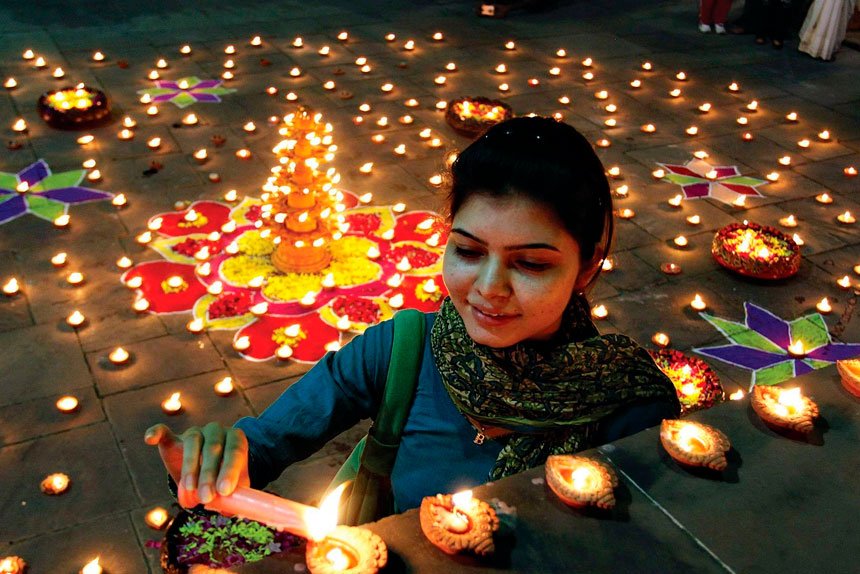
Diwali, also known as Deepavali, is one of the most cherished and widely celebrated festivals in India. The word Diwali means “a row of lamps,” symbolizing the triumph of light over darkness, good over evil, and knowledge over ignorance. Celebrated on the new moon day of the Hindu month of Kartik, Diwali marks the return of Lord Rama to Ayodhya after fourteen years of exile and his victory over Ravana. In other traditions, it honors Goddess Lakshmi, the goddess of wealth and prosperity, and Lord Krishna’s victory over Narakasura. The festival spans five days, beginning with Dhanteras, followed by Naraka Chaturdashi (Choti Diwali), Lakshmi Puja, Govardhan Puja, and Bhai Dooj. Homes are cleaned and decorated with rangoli, flowers, and earthen lamps to welcome positive energy and prosperity. Families come together to perform rituals, exchange sweets and gifts, and share festive meals. Diwali is also a celebration of joy and togetherness. Fireworks illuminate the night sky, while laughter and warmth fill homes and streets. In many regions, cultural programs, fairs, and community gatherings add to the festive spirit. At the same time, there is growing awareness about celebrating an eco-friendly Diwali, emphasizing the use of earthen diyas, minimal crackers, and care for the environment. Beyond rituals and celebrations, Diwali conveys a timeless message of hope, renewal, and inner awakening. It encourages people to dispel negativity, cultivate compassion, and walk the path of righteousness. Diwali is not merely a festival of lights but a reminder that even the smallest flame can overcome the deepest darkness.

Diwali Read More »

Navratri

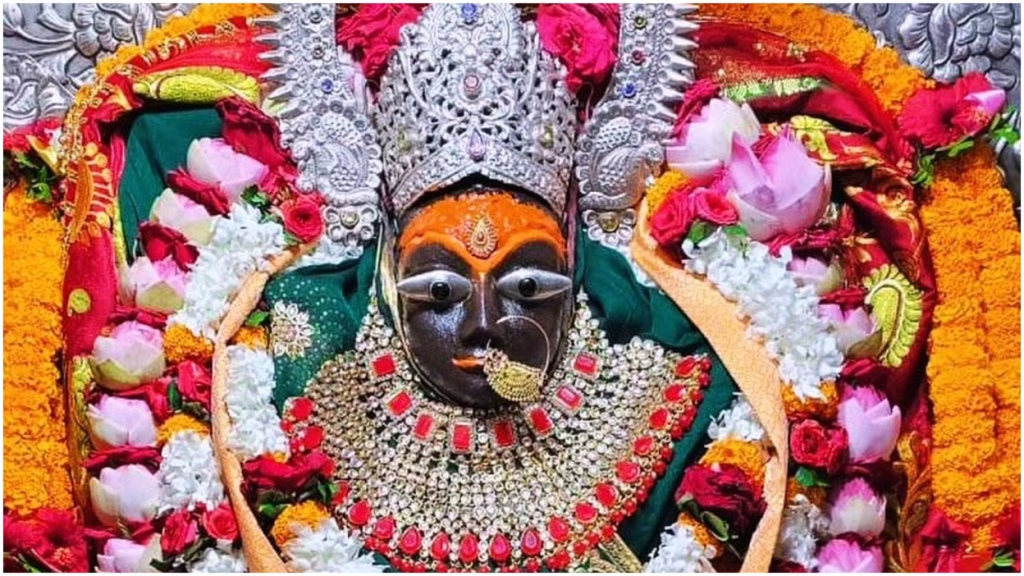
Navratri is one of the most auspicious and widely celebrated festivals in India, dedicated to the worship of Goddess Durga and her nine divine forms. The word Navratri means “nine nights,” during which devotees honor the victory of good over evil and divine power over negative forces. Celebrated twice a year—Chaitra Navratri in spring and Sharad Navratri in autumn—the festival holds deep spiritual, cultural, and social significance. Each day of Navratri is devoted to a different form of the Goddess, symbolizing virtues such as strength, wisdom, courage, compassion, and purity. Devotees observe fasting, offer prayers, and perform rituals to seek blessings for health, prosperity, and inner peace. Temples and homes are beautifully decorated, and the atmosphere resonates with devotional songs, bhajans, and mantras. Navratri is also known for its vibrant cultural celebrations. In many regions, people participate in Garba and Dandiya Raas, expressing joy and devotion through rhythmic dance and colorful attire. In eastern India, the festival culminates in Durga Puja, marked by grand pandals, artistic idols, and community gatherings. In southern states, the tradition of Golu displays showcases dolls and figurines symbolizing mythology and culture. Beyond rituals and festivities, Navratri carries a profound message of self-discipline, faith, and spiritual awakening. It encourages individuals to reflect, purify their thoughts, and embrace positivity. Navratri is not just a festival but a celebration of feminine divine energy—Shakti—that inspires balance, harmony, and righteousness in life.

Navratri Read More »

Lokrang Festival

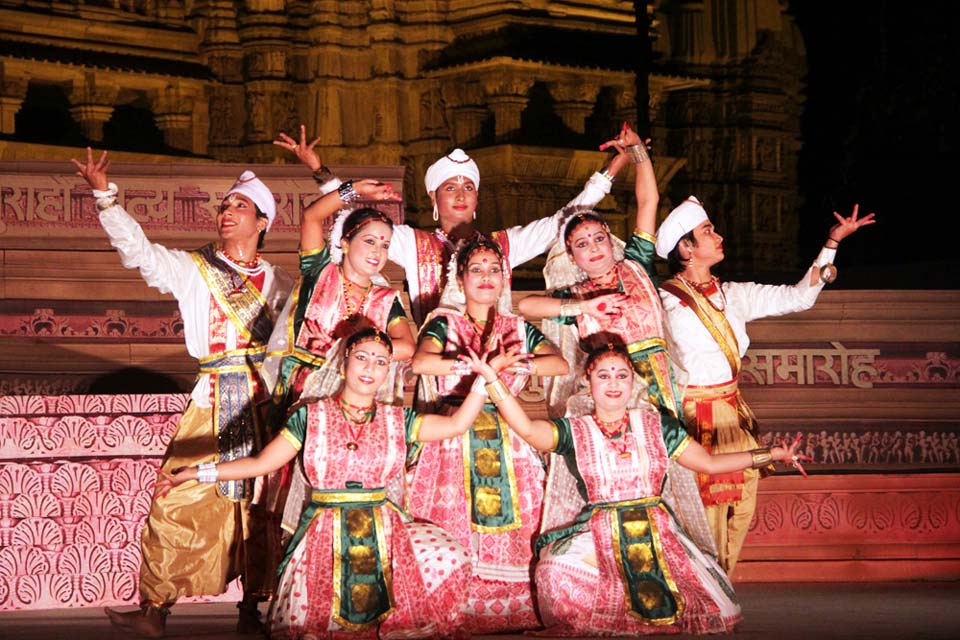
The Lokrang Festival is one of India’s most vibrant and culturally rich celebrations, showcasing the diverse folk traditions and artistic heritage of the nation. Organized annually in Bhopal, Madhya Pradesh, the festival brings together folk artists, performers, craftsmen, and cultural enthusiasts from different states of India and even from abroad. “Lokrang” literally means the colors of the people, and the festival truly lives up to its name by celebrating the spirit, creativity, and traditions of rural and tribal communities. Lokrang Festival serves as a grand platform for preserving and promoting folk music, dance, theatre, and indigenous art forms that have been passed down through generations. Traditional performances such as Gond, Bhil, Baiga, Kalbelia, Lavani, and Bihu mesmerize audiences with their rhythm, costumes, and storytelling. Alongside performances, the festival features exhibitions of handicrafts, paintings, tribal jewelry, textiles, and local cuisines, offering visitors a complete cultural experience. Beyond entertainment, Lokrang plays a crucial role in strengthening cultural identity and encouraging interaction between artists and audiences. It provides folk artists with recognition, livelihood opportunities, and a sense of pride in their heritage. Workshops, seminars, and interactive sessions during the festival help younger generations understand and appreciate India’s rich cultural roots. The Lokrang Festival is more than just a celebration; it is a cultural movement that bridges the gap between tradition and modernity. By honoring folk traditions in a contemporary setting, the festival keeps India’s living heritage alive and relevant. Lokrang stands as a beautiful reminder that the soul of India resides in its villages, its art, and its people.

Lokrang Festival Read More »